
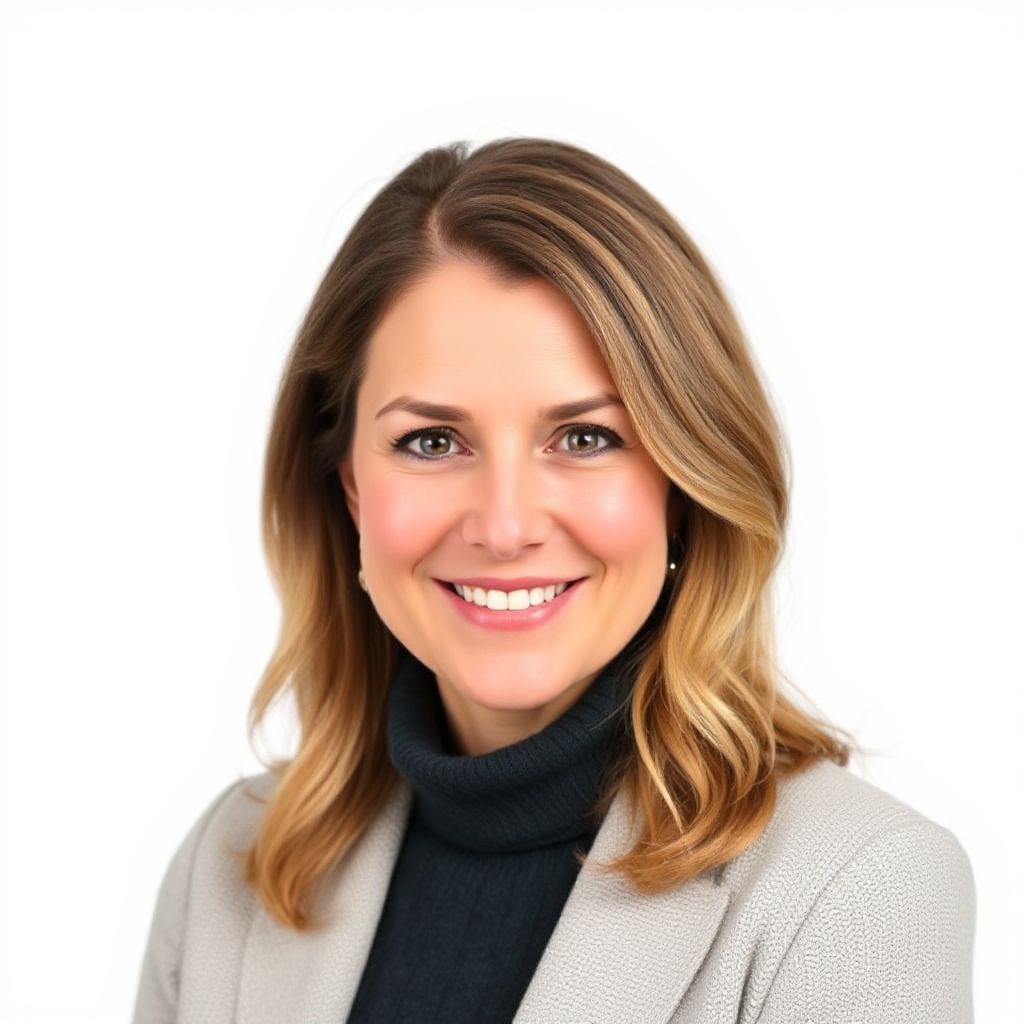
Only 48 hours before the NYC race for mayor, Michael Lange issued a bold electoral prediction – not just who would win overall, but precinct by precinct. The analyst, an expert in elections who grew up in the city, has spent over a decade in left-leaning activism and has become something of a well-known figure recently for his thorough analyses into municipal statistics and voter surveys.
He released his highly detailed prediction map – which correctly forecast that Zohran Mamdani would win while missing Andrew Cuomo’s strong performance – on his Substack, the Narrative War. Lange possesses a talent for clever terms. He pointed out, as an example, the divide between the progressive stronghold, running from one neighborhood to Bushwick to Astoria, where he predicted (accurately) that Mamdani would triumph by large leads, and the conservative-leaning zone on Manhattan’s Upper East and Upper West Sides. There, certain media outlets and Wall Street Journal surpass the New York Times” in readership and the majority of electors favored the independent, campaigning as a moderate alternative.
Voting Day Trends and Unexpected Results
What was your election night?
I had to do that because they were adding approximately 200K votes into the tally every few minutes! I felt a little nervous initially: The candidate was ahead the early vote by a dozen percentage points, but came two big batches of votes that came in after that and the advantage dropped from 12% to 8%. I was worried.
You know, it was possible where election day turned out somewhat badly for Mamdani, where the opponent was going to end up basically doubling his votes from the earlier contest. However the winner gained 500,000 votes to his initial base, and that’s a huge reason why he succeeded. He went out and greatly broadened his support from the first round.
Coalition Building
Where did the mayor-elect get additional support from?
He built the alliance that progressives always wanted to build: diverse racially, it’s young, it’s renters and individuals squeezed by affordability. He improved considerably with Black and Hispanic voters, everyday New Yorkers, relative to the earlier election. Plus he boosted his base of liberal progressives, youthful radicals, and immigrant groups. Victory required without expanding his appeal.
He built the alliance that the left always wanted to build: multiracial, youthful, renters and people struggling with costs
Additionally, there were some Trump/Mamdani voters – is this significant?
It’s definitely a real thing, limited to working-class Latinos, Asian communities and Muslims. Voters in immigrant strongholds that went for Trump last year backed Zohran this year. But it’s not that he was gaining white working-class voters and Trump loyalists.
Voter Participation and Impact
A major development of the election was the sky-high participation. Who did that help?
Each candidate. Participation was much greater than anticipated. I figured we might exceed two million, but it reached 2.3M – that is a lot of darn voters. Existed a substantial anti-Mamdani block, who were motivated, but his supporters was also motivated, and that sufficed to secure victory.
You predicted he’d exceed 50% of the vote. Is he likely for that?
Currently it appears he’s favored to surpass half. He’s at just over 50% but remain probably 200,000 votes uncounted at that time. So I don’t think it’s definitive, but I believe probable, and I hope he achieves it because afterwards none can claim the Republican was a disruptor.
GOP Decline
The GOP candidate, the Republican candidate, was another surprise. His vote plummeted.
He lost any district in any area. Including one neighborhood in the borough, which is like an highly conservative neighborhood. That truly surprised me. The independent kept Caucasian districts, affluent zones and very religiously Jewish areas, and plus gained all of these conservatives on the island with a high participation. I believe occurred significant strategic balloting by GOP voters. This happened prior to Trump tweeted his support for Cuomo, but it assisted. It might have changed the outcome if the winning alliance hadn’t grown.
Progressive Strongholds
What about your much mentioned “commie corridor” – did backing for the candidate dominant in those areas of Brooklyn and Queens?
I think there was a little dilution of the commie corridor in certain places like neighborhoods that have more older white ethnic folks. In Astoria, for example, the Greek landlords and homeowners supported the independent. So there was some opposition. But no, mostly the leftist base is a key factor why Mamdani won – he was polling between 77% and 83% in specific neighborhoods.
Community Support
Prior to the election there was coverage on if the candidate was gaining ground with the community. Is there any suggestion that he succeeded?
There are areas with a lot of non-religious and left-inclined voters – such as specific locales – where he did well. However in the wealthy Jewish communities like the Upper East Side, his Middle East stance definitely mattered there. Similarly in the moderate communities like Queens neighborhoods, or Spuyten Duyvil and Riverdale – they favored the independent. And also, you have newcomers from Eastern Europe in southern Brooklyn, who were strongly supportive. Therefore it’s unclear if there were major surprises here, but Mamdani did hold left-leaning areas and even parts of the Upper West Side with large leads.
Political Impact
Has Mamdani rewritten what the city represents in politics? Will progressive base serve as a springboard for leftwing candidates?
Absolutely, it’s not accidental that key political leaders from the left hail from a handful of neighborhoods in the boroughs. I believe that we’ll see more of that – candidates will emerge from these areas to be promoted to higher office.
However I think that every city in America can have similar progressive hubs. Cities are the centers of progressive influence in America – since youth reside there, people rent and they represent locales where individuals struggle by the inequalities we face.
